
How to pack for a trip to AntarcticaOne of the coldest, windiest, driest, most remote places on Earth? No prizes for guessing a ball gown isn't on the packing list.
The first rule of packing for an Antarctica cruise is to pack early. Antarctica is one of the most unpredictable places in the world, with little or no ability to purchase anything while you are there. This is a recipe for disaster if you're not a tactical packer, so it's important to allow enough time to borrow or buy anything you don't have. Pack up the night before your flight and you'll be condemned to board your ship with mismatched gloves, no underwear and single shoes.
Here's a handy guide to packing for Cruise in Antarctica.

1. Layering
While it's tempting to pack piles of bulky jackets and coats, what you really need is a solid mix of short- and long-sleeved shirts (some thermal, some not). Your ship is going to be a lot of fun, so having layers to peel off when you're on board (and put them back on when out on deck) is smart.
Layering is generally thought of in three stages: base layer, middle layer, and outer layer.
base layers
You'll definitely appreciate a thermal base layer on an Antarctic cruise, best in wool or wool blends (the more fleece, the warmer you'll be). Cotton doesn't tend to be as good as a base or midlayer because it has weak wicking properties, which means that moisture -- like sweat -- will stay on your skin and cool your body temperature.
mid layers
Choose a polyester or wool blend, and make sure it's not too snug so that all of your base layers fit snugly under it. Multiple thin layers over your thermal base (to allow for conditions to adjust) are better than thicker layers. However, when you're sitting in your zodiac sign, it can get pretty cold, so make sure you have one fleece that you can wear when it's truly grizzly.
outer layers
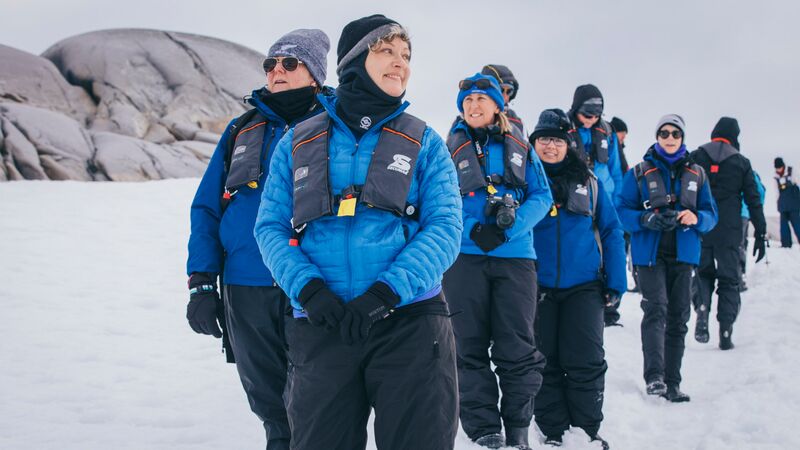
One rule for outer layers: make sure they're 100% waterproof! Depending on which ship you are traveling on, you will either be provided with a jacket to keep or to borrow. It is also necessary to have insulated and waterproof pants to slip over your lower half and your shoes. You'll be most comfortable during shore excursions and kicking back on deck in search of whales.
2. Shoes
Standard hiking boots just won't cut it for an Antarctic adventure. You'll need a pair of mud boots instead, as they're designed to provide grip and performance on snow and ice while keeping your feet warm and dry. We'll provide you with a pair of mud boots for the duration of your trip.
You'll also need a pair of comfortable shoes for when you're relaxing on the ship, and maybe a pair of runners if you want to use the onboard gym.
3. Gloves
When you are in Antarctica, it is imperative that you take good care of your hands, head, and feet. Frostbite is never fun. We suggest packing your own gloves with a polyester-blend base and waterproof top layer (it's worth getting two pairs of each, in case you lose a pair or get them wet. If you're a photographer, consider packing a fingerless pair as well, or investing in sensor fingertip gloves So you can still use your phone or camera screen.
4. A tight beanie
Separated hats are a disaster in Antarctica - the winds are so strong that they can rip hats off unsuspecting heads in seconds. Show that wind who's boss and take a beanie that fits snugly on your head, making sure it covers your ears. In fact, pack a couple of hats, just in case (plus, a beanie is really your only chance to express your fashion sense).

5. Neck gaiters
It is important to keep your neck covered when on deck or on land excursions. Scarves tend to unravel and/or get caught in the Velcro on your jacket, so a warm neck gaiter will keep you as comfortable as a bug.
6. Socks
We suggest wearing two pairs of socks every time you go outside: a poly blend that's gentle against your skin and a thick fleece outer layer. When in doubt, pack more socks. Your thick socks will get wet while you're out on beach visits, so having a few pairs to rotate around is a good move. Thin socks are ideal when you're ship-bound. You'll be warm and protected eating in the dining room, listening to lectures and reading in your cabin, so your thick woolen socks are overkill when you're not outside.
7. Sun protection
Yes, the sun shines in Antarctica and you'd be very sorry if you got burned doing it. Don't forget to pack your sunglasses (with UV protection), broad-spectrum sunscreen, and SPF lip balm.
8. Moisturizer
Windy, dry conditions mean your skin will look lizard-like if you don't moisturize. Unless you want to go home with a Rango look, put it on every day while you're away.
9. Medication for seasickness
 Seasickness is something many people fear when it comes to an Antarctic cruise - Especially when it comes to crossing Drake Pass. Whether you're a seasoned sailor accustomed to big swells or someone who turns green at the gills on a stationary passenger ferry that hasn't left port yet, seasickness doesn't discriminate. Anti-nausea medications can be hit or miss, but being armed with options when you're feeling nauseous is helpful.
Before your trip, talk to your doctor about seasickness or anything else that may be worrying you. If you have asthma, diabetes, or live with other health conditions, make sure you have all of your regular medications. While your ship may stock a few essentials, it's not a floating pharmacy, so it's a good idea to double (even triple) check your medications in your luggage before you leave. The same goes for health items.
10. Entertainment
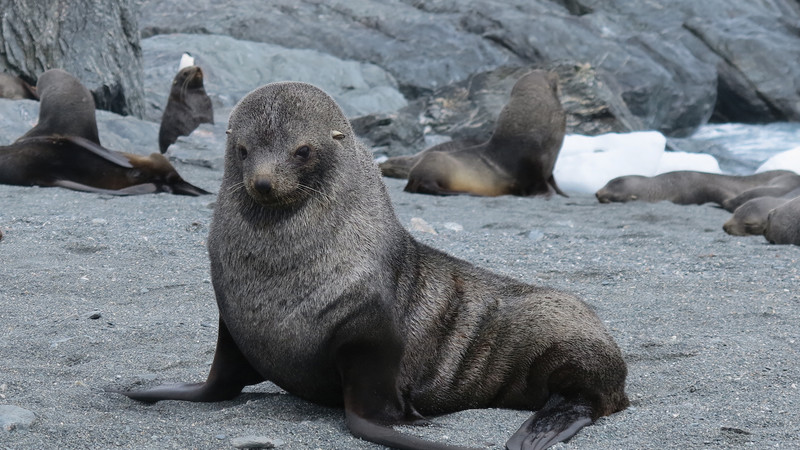
Sure, the adorable antics of the penguins and the slightly terrified smiles of the leopard seals sparkle any time of day, but it's a good idea to pack some of your own entertainment for those times when you need to retreat to your cabin (perhaps during a Drake Passage crossing). Consider bringing:
- A good book or e-reader
- A smartphone full of tunes and podcasts
- Noise canceling headphones - In storms and on the high seas, icebreaking ships can be noisy places to be, so distracting yourself with some soothing tunes is a great way to beat it.
- Notebook and pen to document your trip - In the years to come you will enjoy reflecting on your trip. Who knows, you could even turn your notes into bestsellers!
11. Other things to pack for an Antarctic cruise
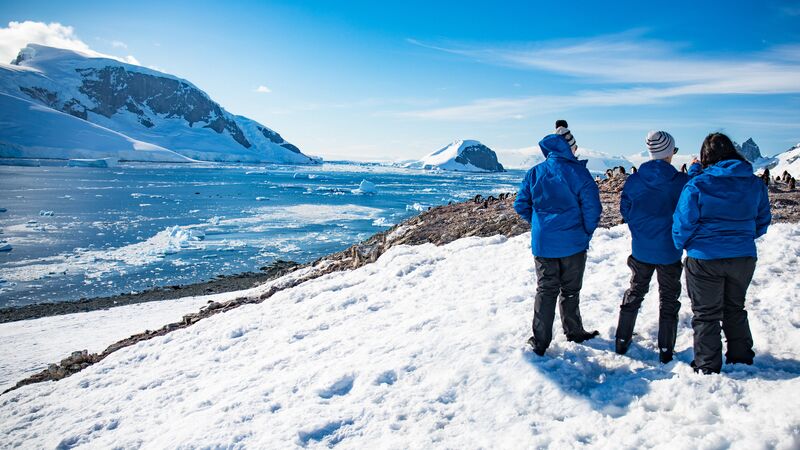
Needless to say, once you get south you won't be able to stop at the shops to buy anything you might have forgotten. So here are some other bits and pieces worth bringing with you:
- If you care about photography, bring your camera, spare batteries, and SD cards
- reusable water bottle - bottled water until the '90s (and not in a good way); Reduce single use plastic by bringing a refillable canteen
- Wet bags and waterproof cases for cameras and other devices - come in handy when jumping in (and out) of boats and kayaks in (and out) for beach excursions
- HEAVY DUTY TRASH BAGS - Useful for separating wet clothes from the rest of your luggage
- Zip lock bags - good for hiding trash while out on beach excursions (because the karmic fallout of trash in Antarctica is really harsh)
- Binoculars - If you are curious to see if there is a large rock or elephant seal in the distance, bring your own
- Cash/Credit Card - If you're lucky enough to land in Port Lockroy, the post office and gift shop is the only place to shop in Antarctica, so don't forget some cash or credit card to send a postcard or buy a stuffed penguin. All proceeds go towards station maintenance
- Earplugs - Light sleepers should bring earplugs to counteract the snoring of cabin mates and the noise ships make when breaching the high sea or ice.
Most importantly, pack some good old-fashioned respect for the planet and you're about to experience one of the greatest travels of all time.
Are you ready for the trip of a lifetime? explore Antarctica on a daring adventure.
Source link



0 Comments